

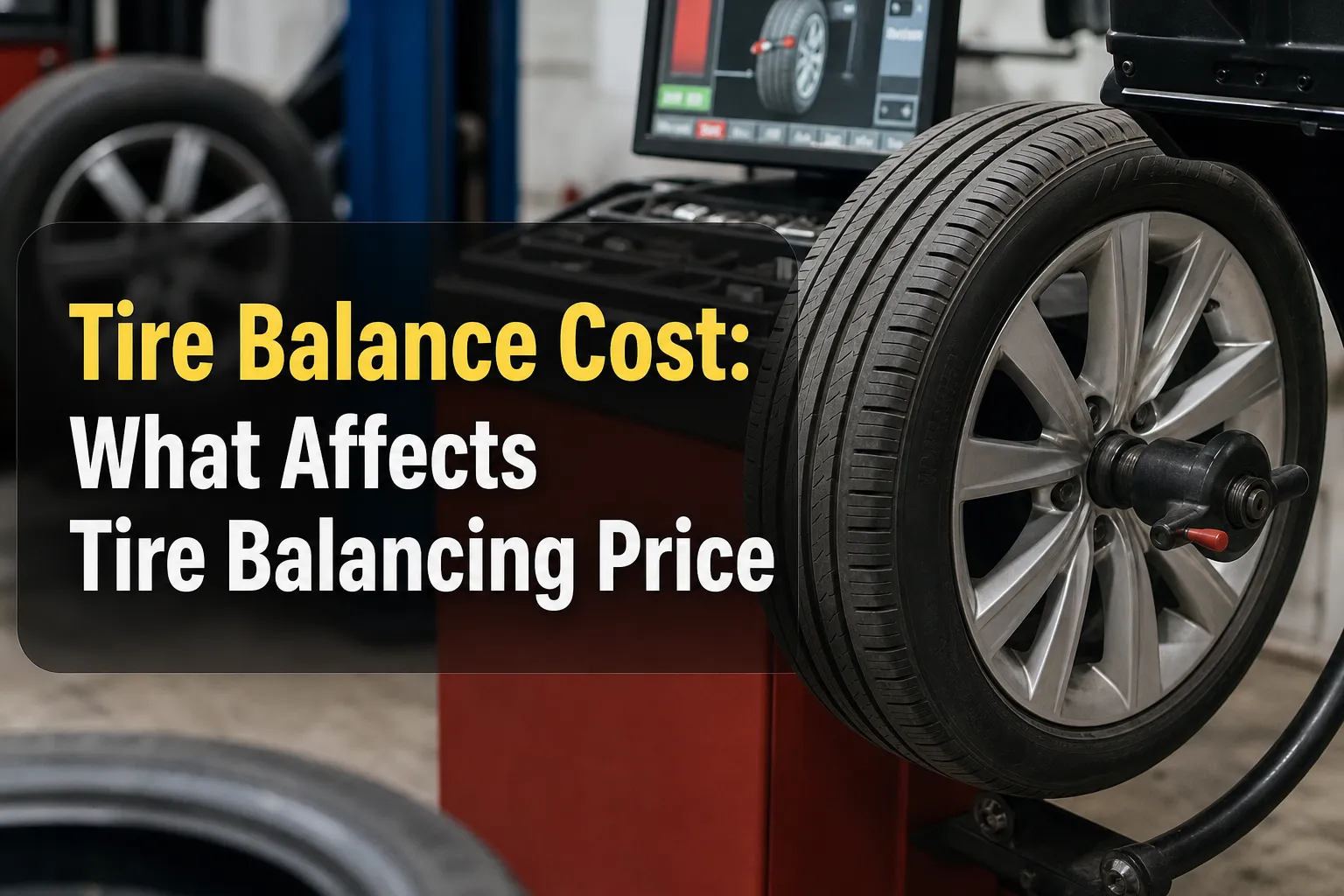
Tire Balance Cost: What Affects Tire Balancing Price
If your steering wheel shakes on the highway, your tires are wearing unevenly, or your ride just feels rougher than it should, tire balancing may be the fix. For drivers in Concord, California, understanding tire balance cost before visiting a shop can help you avoid overpaying and make a smarter service decision.
At its core, tire balancing is a relatively affordable service, but the final tire balancing price can vary based on your wheel size, tire type, vehicle, and whether the service is bundled with rotation, installation, or repair. The good news is that balancing is far less expensive than replacing prematurely worn tires or dealing with suspension issues caused by vibration.
At Concord Tires & Interiors, we help local drivers make practical, budget-friendly choices with discounted pricing on new and used tires, major brand options, experienced guidance, and a hassle-free service experience built around real value.
What Tire Balancing Actually Does
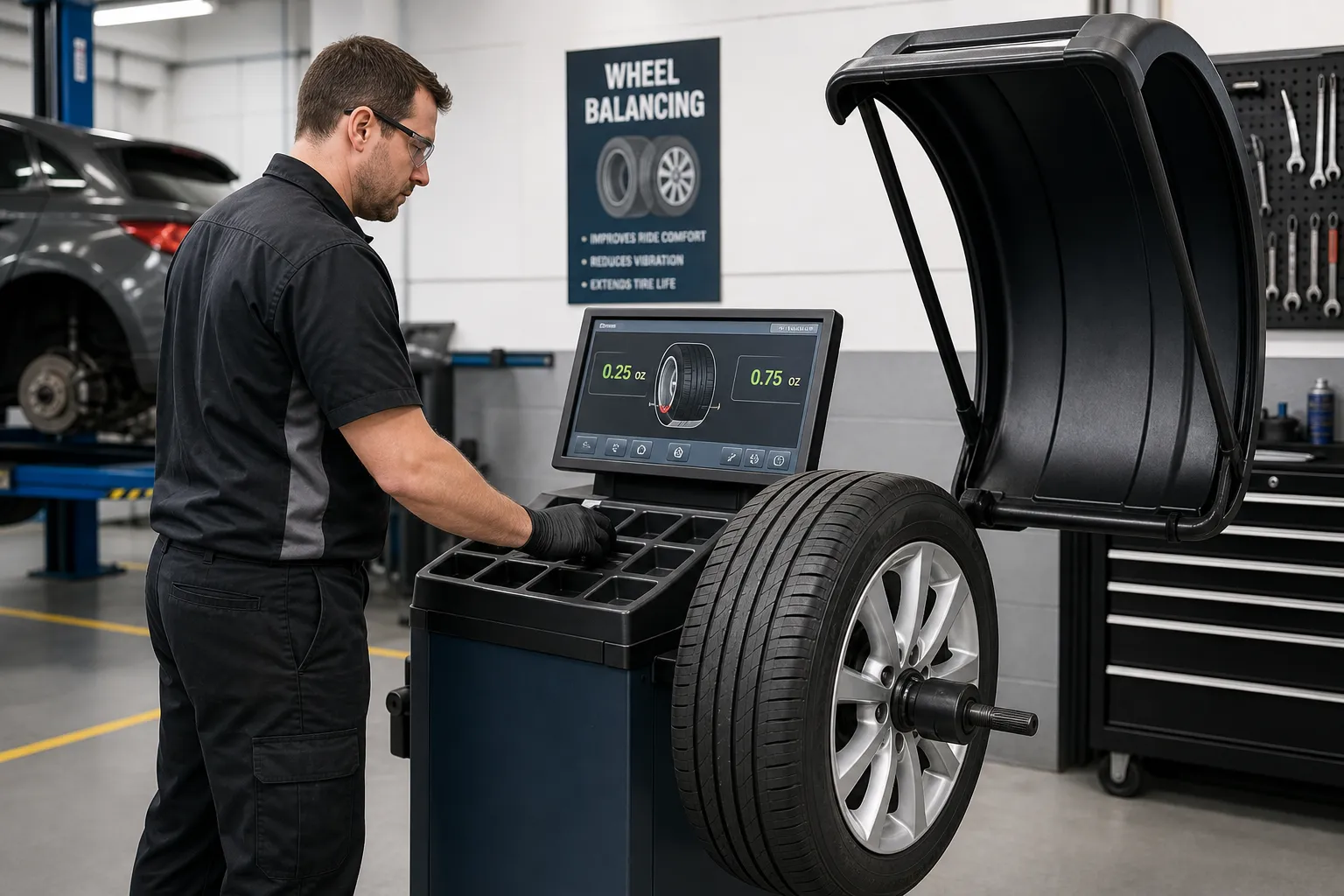
Tire balancing corrects uneven weight distribution in the tire-and-wheel assembly. Even a slight imbalance can create noticeable vibration as the wheel spins, especially at higher speeds.
When a tire is properly balanced, it helps:
-
Reduce steering wheel vibration
-
Improve ride comfort
-
Promote even tread wear
-
Protect suspension and steering components
-
Support better fuel efficiency over time
Balancing is different from wheel alignment. Balancing deals with weight distribution in the wheel and tire, while alignment adjusts the angles of the wheels so they meet the road correctly. Many drivers confuse the two, but the symptoms and pricing are different.
Average Tire Balance Cost
In most cases, you can expect the average tire balancing price to fall within the following range:
|
Service Type |
Typical Price Range |
|---|---|
|
Balance one tire |
$15–$50 |
|
Balance all four tires |
$60–$200 |
|
Balance bundled with tire installation |
Often reduced or included |
|
Balance bundled with rotation |
Sometimes discounted |
These numbers vary by market, vehicle type, and shop equipment. A compact sedan with standard wheels usually costs less than a truck, SUV, or performance vehicle with oversized rims.
For local drivers, the smartest move is to ask what the quote includes. Some shops advertise a low price, then charge extra for wheel weights, valve service, mounting, or labor. At Concord Tires & Interiors, transparent quotes and customer-first service help eliminate those surprises.
What Affects Tire Balancing Price
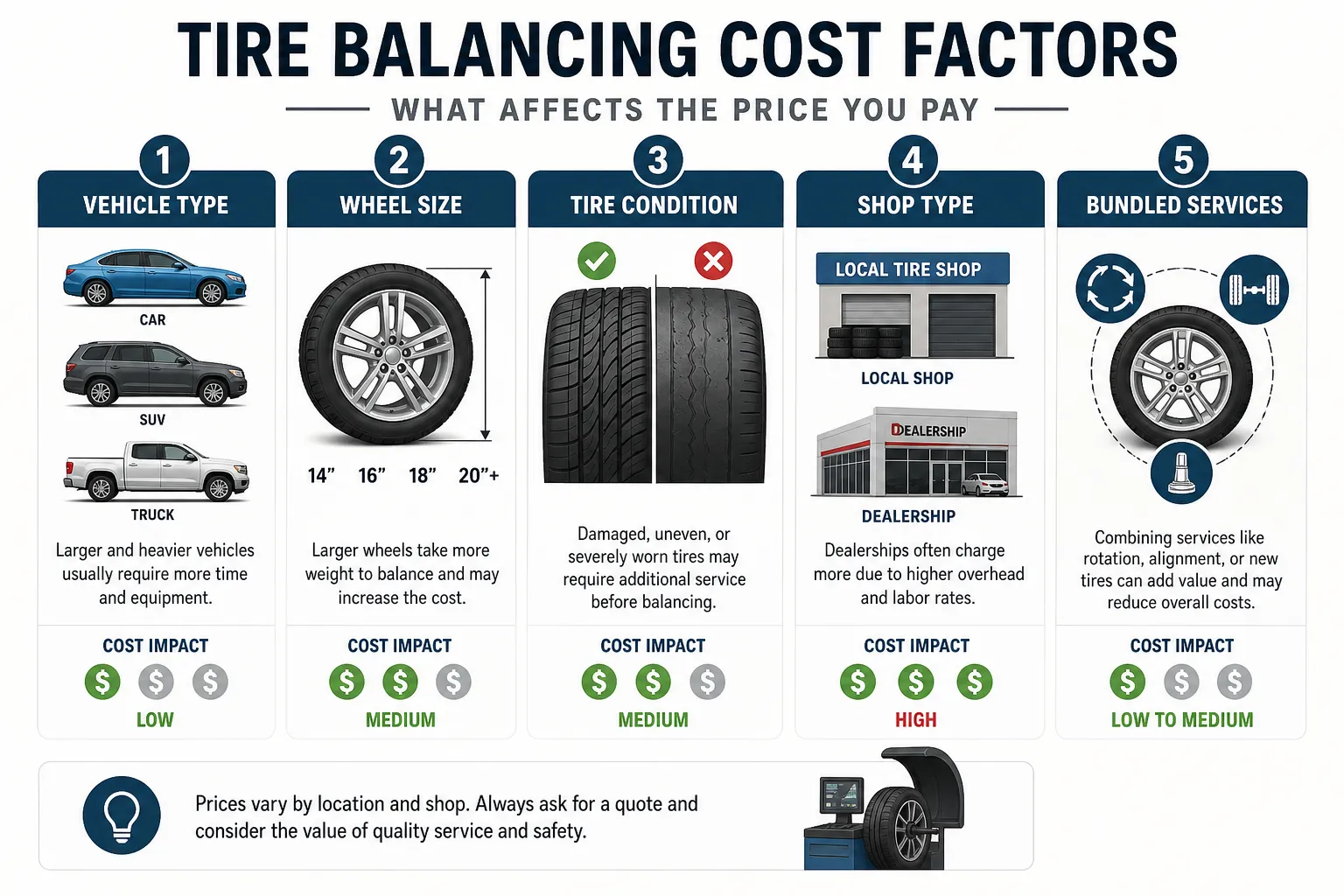
Several factors influence the final bill. If you are comparing shops in Concord or nearby areas, these are the biggest price drivers to know.
Vehicle Type
Larger vehicles usually cost more to service. SUVs, trucks, and vans often have heavier tire-and-wheel assemblies that can take more time and require more precise adjustment.
Common examples of higher-cost balancing jobs include:
-
Lifted trucks
-
Full-size SUVs
-
Performance sedans
-
Vehicles with staggered wheel setups
-
Commercial-use light trucks
Wheel Size and Rim Design
Wheel size matters. Balancing a standard 15-inch or 16-inch wheel is often simpler than working with 20-inch or 22-inch aftermarket rims.
Specialty designs can also affect labor because they may require:
-
Adhesive weights instead of clip-on weights
-
Extra care to protect wheel finish
-
More precise placement for low-profile tires
-
Additional time for custom or premium rims
This is one reason drivers shopping for wheels should work with a team that understands both performance and appearance. Concord Tires & Interiors offers a wide selection of wheels and rims, plus experienced recommendations that help customers get the right fit without unnecessary service costs later.
Tire Condition
If your tires are badly worn, cupped, damaged, or unevenly shaped, balancing may take longer or may not fully solve the issue.
A technician may recommend additional service if the tire has:
-
Irregular tread wear
-
Belt separation
-
Flat spots
-
Sidewall damage
-
Age-related hardening or cracking
In those situations, replacing the tire may be more cost-effective than repeatedly trying to correct the symptom. This is where having access to both new and used tire options can be especially helpful for budget-conscious drivers.
Shop Type
Where you go affects price. Dealerships, big chains, independent tire stores, and specialty wheel shops all price differently.
Here is a general comparison:
|
Shop Type |
Typical Cost Level |
Notes |
|---|---|---|
|
Independent tire shop |
Low to moderate |
Often more flexible and value-focused |
|
Large chain store |
Moderate |
May offer package pricing |
|
Dealership |
Moderate to high |
Often higher labor rates |
|
Specialty performance shop |
High |
Best for custom or high-end setups |
For many drivers, a local independent shop offers the best mix of price, service, and honesty. Concord Tires & Interiors is built around that model, combining discounted pricing with over 40 years of combined staff expertise.
Bundled Services
One of the biggest content gaps in many competitor articles is the lack of detail around what is included in the price. Balancing is often cheaper when bundled with related services.
You may pay less when balancing is combined with:
-
Tire installation
-
Tire rotation
-
Flat repair
-
New wheel purchase
-
Seasonal tire swap
If you are already replacing worn tires, this is a great time to ask about balancing, protection plans, and manufacturer warranty support. Concord Tires & Interiors regularly helps drivers combine services efficiently, which can save both time and money.
What Is Usually Included in a Tire Balancing Service?
Not every balancing service includes the same steps. A quality service typically includes:
-
Removal of the wheel if needed
-
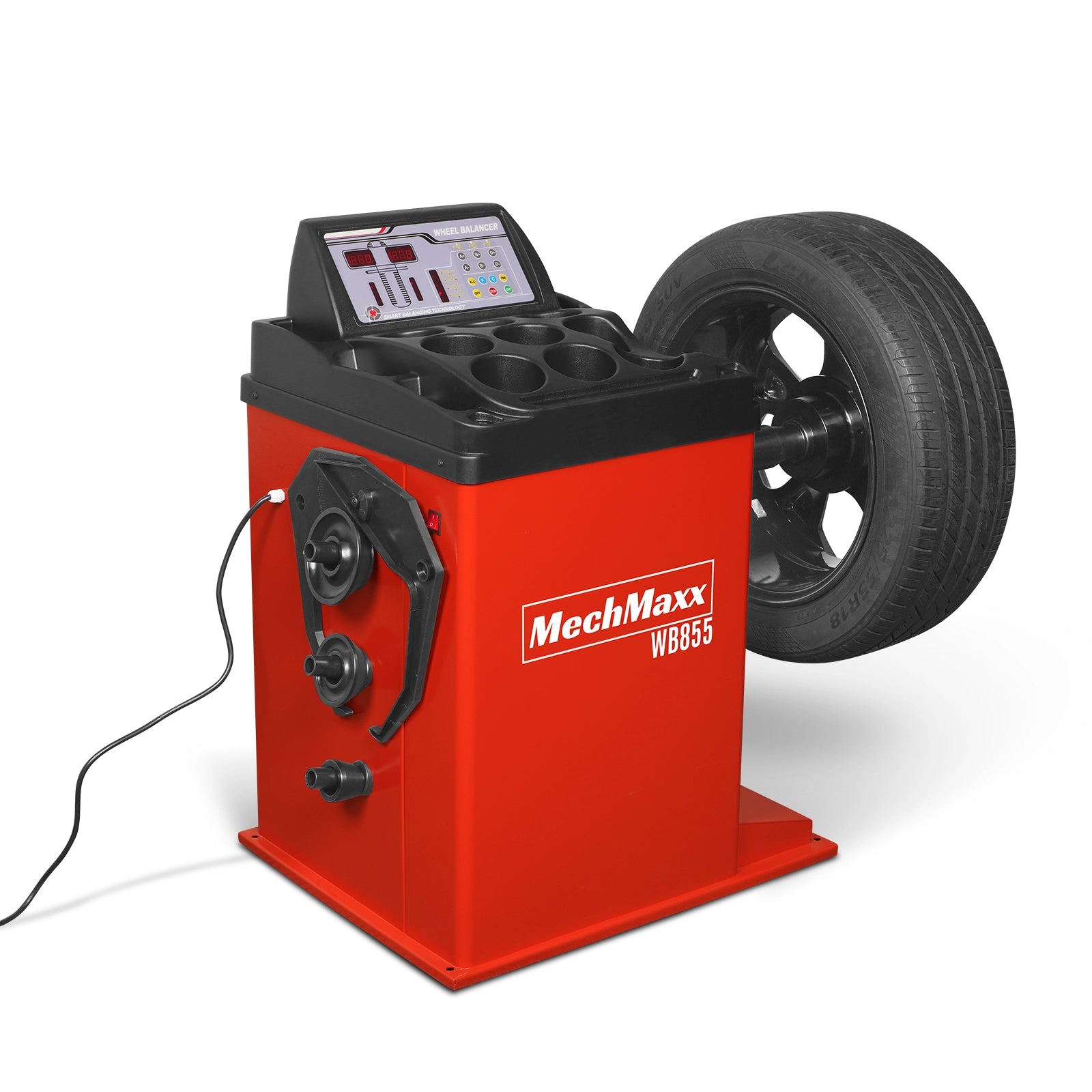
Spin balancing on a balancing machine
-
Identification of heavy or light spots
-
Installation of clip-on or adhesive wheel weights
-
Recheck after adjustment
-
Reinstallation and torque check when applicable
Some shops may also inspect tread condition, air pressure, and wheel condition during the process.
Before approving service, ask whether the quote includes:
-
Wheel weights
-
Labor
-
Mounting and dismounting
-
Rotation
-
Valve stem service
-
Disposal or shop fees
That simple question can help you compare true apples-to-apples pricing.
Signs You May Need Tire Balancing
Balancing is not just something you do when installing new tires. It is also maintenance that becomes necessary over time.
Watch for these signs:
Steering Wheel Vibration
If the steering wheel shakes at certain speeds, especially around 45 mph and up, an imbalance is a likely cause.
Seat or Floorboard Vibration
If you feel vibration through the cabin rather than mostly in the steering wheel, the rear tires may be out of balance.
Uneven Tire Wear
Feathering, cupping, or inconsistent tread wear can signal a balance issue, though alignment and suspension problems can also contribute.
Noisy Ride
A rhythmic humming or thumping sound that changes with speed may come from an imbalanced or damaged tire.
Recent Tire or Wheel Service
You should consider balancing after:
-
Installing new tires
-
Mounting new wheels
-
Hitting a pothole
-
Striking a curb
-
Repairing a flat
-
Rotating tires if vibration has developed
How Often Should Tires Be Balanced?
A practical rule of thumb is to balance tires every 5,000 to 7,000 miles, often at the same time as tire rotation. This interval helps catch minor problems before they become expensive tire wear issues.
You should also balance tires sooner if you notice:
-
Highway-speed vibration
-
Uneven wear patterns
-
A recent impact with road hazards
-
A change in ride smoothness after wheel or tire service
Routine balancing is especially important for commuters and drivers covering long distances around Concord and the greater East Bay, where highway miles can make vibration problems more noticeable.
Tire Balancing vs. Wheel Alignment Cost
These services are related but not interchangeable.
|
Service |
What It Fixes |
Typical Cost |
|---|---|---|
|
Tire balancing |
Uneven weight distribution in tire/wheel assembly |
$15–$50 per tire |
|
Wheel alignment |
Incorrect wheel angles such as camber, caster, and toe |
$75–$150 for a standard four-wheel alignment |
Balancing is usually less expensive and often needed more frequently. Alignment costs more, but it addresses pulling, crooked steering, and angle-related wear.
If a customer comes in unsure which service they need, the right shop should explain the difference clearly instead of selling unnecessary work. That straightforward approach is part of the hassle-free experience Concord Tires & Interiors aims to provide.
Can You Save Money by Skipping Tire Balancing?
Usually, no. Skipping balancing can create larger costs later.
Potential consequences include:
-
Faster tire wear
-
Reduced fuel economy
-
More strain on shocks, struts, and wheel bearings
-
Poorer ride comfort
-
Premature tire replacement
A modest balancing service today can help protect a much larger investment in tires and suspension parts tomorrow.
DIY vs. Professional Tire Balancing
Some drivers search for DIY balancing methods, but professional service is almost always the better choice.
DIY Limitations
At-home balancing is difficult because it requires:
-
Specialized equipment
-
Accurate mounting
-
Correct weight placement
-
The ability to diagnose bent wheels or defective tires
Without the proper machine, it is easy to misdiagnose the real issue or make the vibration worse.
Professional Advantages
A shop can quickly identify whether the problem is caused by:
-
Basic imbalance
-
Wheel damage
-
Tire defects
-
Alignment issues
-
Suspension wear
That kind of diagnosis matters. At Concord Tires & Interiors, customers benefit from experienced staff who can help determine whether balancing, repair, or replacement is the smartest next step.
How to Get the Best Value on Tire Balancing
If you want the best price without sacrificing quality, keep these tips in mind.
Bundle Services When Possible
Ask whether balancing is discounted with:
-
New tire installation
-
Rotation
-
Tire repair
-
Wheel purchase
Address Problems Early
A small vibration issue is cheaper to fix than a full set of prematurely worn tires.
Buy From a Shop That Knows Tires and Wheels
The right recommendation can save you money long term. If a shop understands brand differences, wheel fitment, tire wear, and protection plans, you are more likely to get a solution that lasts.
Consider Overall Value, Not Just the Cheapest Price
The cheapest quote is not always the best deal if it excludes labor, weights, or follow-up support. Real value comes from accurate service, dependable products, and honest guidance.
That is one reason many local drivers choose Concord Tires & Interiors. Beyond balancing and repair, the shop offers:
-
Discounted prices on tires and wheels
-
A broad selection of major brands including Michelin, Pirelli, Bridgestone, Continental, Goodyear, Hankook, Toyo, Falken, Yokohama, Firestone, and more
-
New and used tire options for different budgets
-
Tire protection plans
-
Manufacturer warranty support
-
Interior repair and detailing services
-
Promotional offers, including savings opportunities tied to tire purchases
Why Balancing Matters If You Just Bought Tires
Another gap many articles miss is the fact that the tire purchase itself is only part of the ownership cost. Even the best new tire can perform poorly if it is not mounted and balanced correctly.
That matters whether you are buying premium or budget-friendly options. A quality balancing service helps you get the most from:
-
Tread life
-
Ride comfort
-
Handling stability
-
Fuel economy
-
Overall tire value
This is especially important if you are comparing multiple brands and trying to stretch your budget. Concord Tires & Interiors helps drivers match the right tire to their vehicle, driving style, and price range so they do not pay for performance they do not need – or miss out on durability they do.
Tire Balancing and Your Vehicle’s Appearance
For many drivers, wheels and tires are about more than transportation. They shape how your vehicle looks and feels on the road. If you invest in upgraded rims or fresh tires, balancing protects that investment and helps the vehicle drive as good as it looks.
That is a unique advantage of working with a shop like Concord Tires & Interiors, where tires, wheels, rims, and interior appearance services all come together in one convenient local destination. You can handle practical needs and appearance upgrades without bouncing between multiple vendors.
Local Insight for Concord Drivers
Driving conditions in and around Concord can be tough on tires. Daily commuting, summer heat, freeway speeds, potholes, curb strikes, and stop-and-go traffic can all contribute to balance issues over time.
If you notice vibration after driving on rough roads or after replacing a damaged tire, it is worth getting the wheels checked promptly. Local, accessible service makes that easier, especially when the team is focused on keeping the process simple and affordable.
Final Verdict: Is Tire Balancing Worth the Cost?
Absolutely. Tire balancing is a relatively low-cost service that can improve comfort, extend tire life, and help you avoid more expensive problems. For most drivers, the real question is not whether balancing is worth it – it is whether the shop you choose delivers real value.
If you are shopping for affordable tire service in Concord, California, Concord Tires & Interiors offers the kind of practical advantages local drivers want: discounted prices, major tire brands, new and used options, experienced staff, protection plan support, and a customer-friendly process designed to make tire buying and service easier.
Whether you need a quick quote, replacement tires, new wheels, tire repair, or even interior detailing support, Concord Tires & Interiors is ready to help you keep your vehicle riding smoothly and looking its best.
FAQ
How much should I pay for a tire balance?
You should typically expect to pay $15 to $50 per tire, or about $60 to $200 for all four. The final price depends on your vehicle, wheel size, tire condition, and whether the service is bundled with rotation or installation.
Is it worth it to balance your tires?
Yes, tire balancing is worth it because it helps reduce vibration, extend tire life, and protect suspension parts. It is a relatively small service cost compared with the expense of uneven tire wear or premature replacement.
How much should wheel balancing cost?
Wheel balancing cost is usually in the same range as tire balancing since the wheel and tire are serviced together. Most drivers pay $15 to $50 per wheel, with larger or specialty wheels sometimes costing more.
How often should wheel balancing be done?
Wheel balancing should generally be done every 5,000 to 7,000 miles, often during tire rotation. You should also have it checked sooner if you notice highway-speed vibration, uneven wear, or after hitting a pothole or curb.
Which is more expensive, wheel alignment or balancing?
Wheel alignment is usually more expensive than balancing. Balancing often costs $15 to $50 per tire, while a standard four-wheel alignment commonly ranges from $75 to $150.