

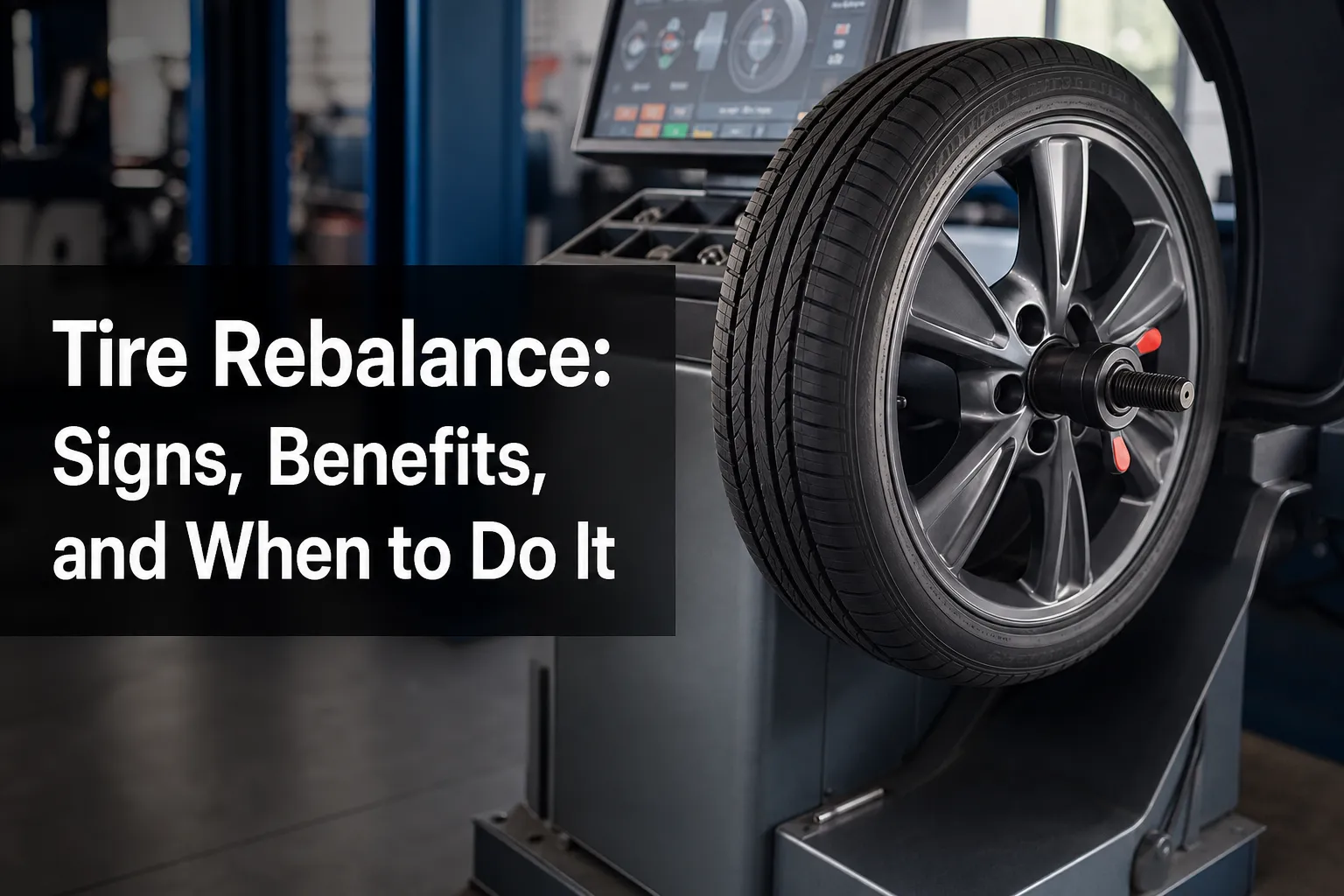
Tire Rebalance: Signs, Benefits, and When to Do It
If your steering wheel starts shaking on the highway, your ride feels rougher than usual, or your tires seem to be wearing out faster than they should, a tire rebalance may be exactly what your vehicle needs. Many drivers around Concord, California, assume vibration automatically means they need new tires or an alignment, but often the issue is simpler, faster, and more affordable to fix.
For local commuters, family drivers, and budget-conscious car owners, understanding when to rebalance tires can help you avoid premature tire replacement, protect your suspension, and enjoy a smoother drive. At Concord Tires & Interiors, we help drivers find practical solutions without the hassle – whether that means rebalancing your current tires, replacing worn tires with discounted new or used options, or helping you choose from major brands like Michelin, Bridgestone, Goodyear, Continental, Pirelli, Toyo, Yokohama, Falken, Firestone, Hankook, and more.
What Is a Tire Rebalance?
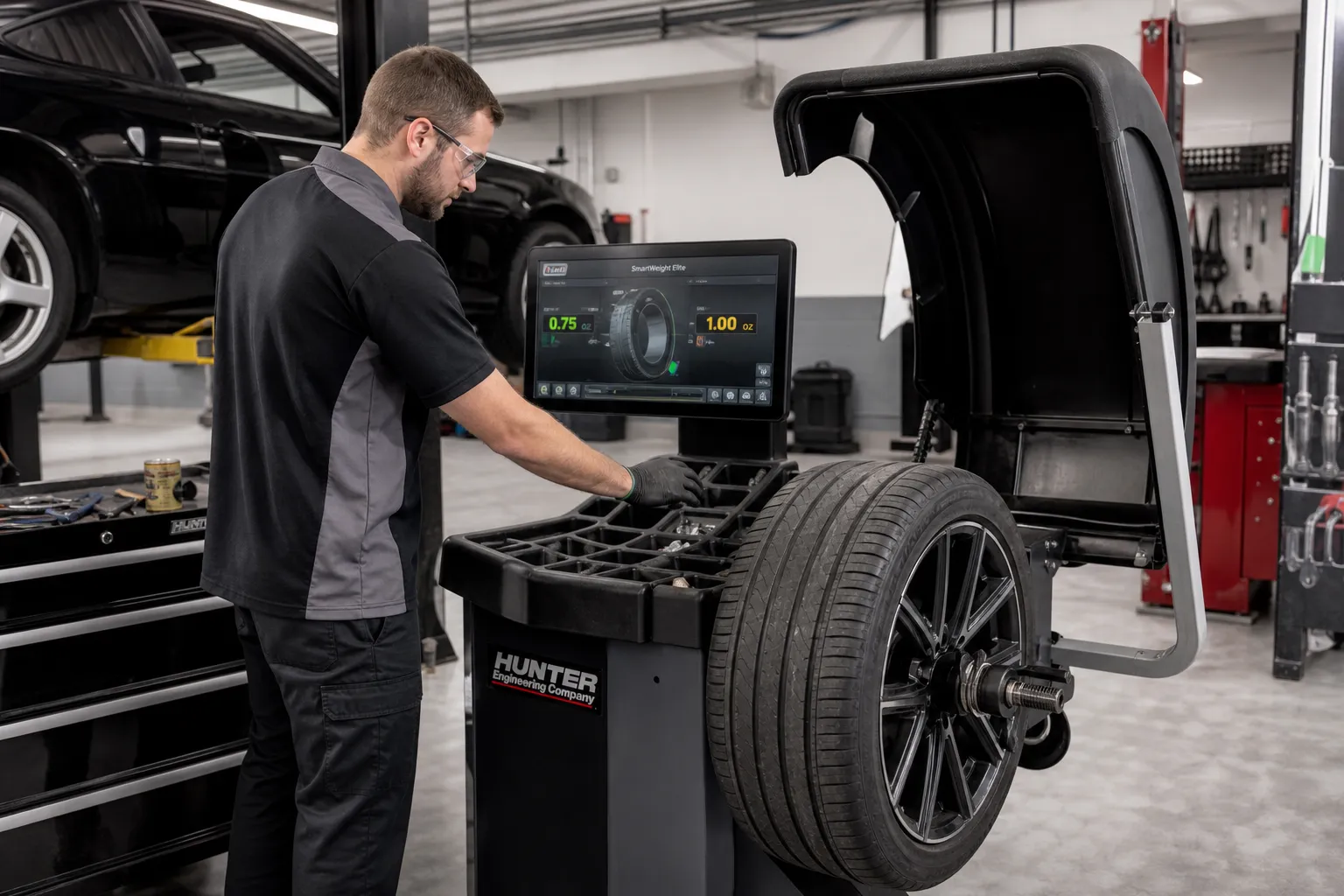
A tire rebalance is the process of correcting uneven weight distribution in a tire and wheel assembly after it has already been installed and driven on. Over time, small wheel weights can shift or fall off, tires can develop wear patterns, and impacts from potholes, rough roads, or curbs can throw the assembly out of balance.
When a tire is out of balance, it no longer spins evenly. That uneven rotation can create vibration, reduce comfort, and increase wear on both the tire and parts of your vehicle.
Tire Rebalance vs. Tire Balancing
These terms are closely related, but there is a practical difference:
|
Service |
What It Means |
When It Happens |
|---|---|---|
|
Tire balancing |
Balancing a tire and wheel assembly, usually when tires are first mounted |
New tire installation |
|
Tire rebalance |
Balancing the assembly again after driving, wear, or impact changes the weight distribution |
During maintenance or after symptoms appear |
In everyday conversation, many shops use the terms interchangeably. Still, when drivers search for a tire rebalance, they are usually trying to solve a vibration, comfort, or uneven wear issue that developed after the tires were already in service.
Why Tire Rebalancing Matters
Rebalancing is not just about comfort. It can directly affect tire life, vehicle handling, and long-term ownership costs.
When a tire rotates with a heavy spot or uneven load, it can:
-
Create steering wheel vibration
-
Cause seat or floorboard shaking
-
Increase uneven tread wear
-
Put extra stress on suspension components
-
Reduce overall ride quality
-
Make the vehicle feel less stable at speed
For drivers trying to stretch the life of their tires, this matters a lot. A relatively small service now can help delay a much bigger expense later.
Common Signs You Need a Tire Rebalance
The biggest competitor articles consistently focused on vibration and uneven wear, but many did not fully explain how those symptoms show up in real driving. Here is what local drivers should watch for.
Steering Wheel Vibration
If the vibration is strongest in the steering wheel, the issue often comes from the front tires. This is one of the clearest signs that your tires may need rebalancing.

Seat or Floorboard Shaking
If you feel the vibration more in your seat or through the floor, the problem may be in the rear tires. This is especially common when rear wheels are out of balance but the steering still feels mostly normal.
Uneven or Faster Tread Wear
A tire that is not spinning smoothly can wear inconsistently. You may notice cupping, patchy wear, or faster wear than expected. If your tread looks off long before the tire should be worn out, balancing should be checked.
Vibration That Gets Worse at Higher Speeds
Many drivers only notice imbalance once they hit a certain speed range – often around freeway speeds. If your vehicle feels mostly fine in town but shaky on Highway 4 or I-680, that points strongly toward a balancing issue.
After Hitting a Pothole or Curb
Even a single impact can knock off a wheel weight or alter how the tire and wheel assembly rotates. If symptoms show up right after hitting road damage, schedule an inspection.
After a Flat Repair or Tire Rotation
A repaired tire or recently rotated set may need rebalancing, especially if vibration starts soon afterward.
What Speed Do You Feel Unbalanced Tires?
Most drivers notice unbalanced tires most clearly between 50 and 70 mph, though the exact speed varies by vehicle, tire size, and severity of the imbalance. Some mild cases are barely noticeable in city traffic and become obvious only on the highway.
The reason is simple: as wheel speed increases, even a small weight difference creates a larger force. That is why a minor imbalance can feel surprisingly dramatic once you pick up speed.
What Causes Tires to Go Out of Balance?
Tires do not stay perfectly balanced forever. Normal driving alone can gradually change things, but several specific causes are common.
Lost Wheel Weights
The most common cause is a balance weight falling off. This can happen from pothole impact, corrosion, or general wear over time.
Tire Wear
As tread wears down, the tire’s weight distribution changes. That is one reason rebalancing is often recommended during regular maintenance.
Road Hazards
Potholes, broken pavement, speed bumps taken too hard, road debris, and curb strikes can all cause imbalance.
Flat Spots
If a car sits parked for a long period, especially in hot or cold weather, flat spots can develop. Sometimes these disappear after driving, but not always.
Wheel Damage or Tire Defects
A rebalance helps with weight distribution, but it will not fix a bent wheel, internal tire damage, or a defective tire. If balancing does not solve the vibration, the shop should inspect for those issues.
Tire Rebalance vs. Wheel Alignment
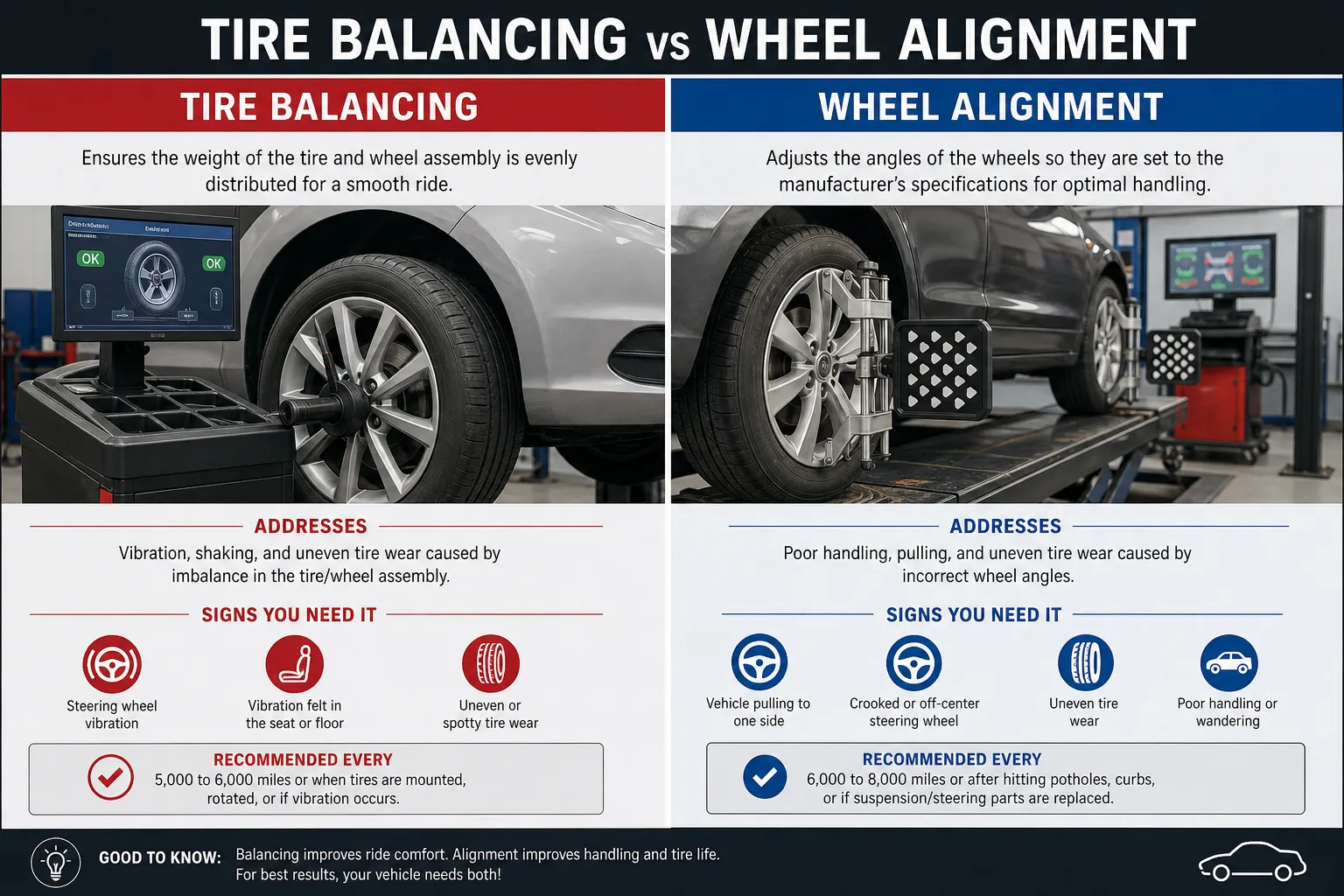
This is where many drivers get confused. Balancing and alignment are both important, but they solve different problems.
|
Issue |
Tire Rebalance |
Wheel Alignment |
|---|---|---|
|
Corrects uneven weight in tire/wheel assembly |
Yes |
No |
|
Adjusts wheel angles |
No |
Yes |
|
Helps reduce vibration |
Yes |
Sometimes |
|
Helps with pulling left or right |
Sometimes, but not primary fix |
Yes |
|
Helps prevent uneven tread wear |
Yes |
Yes |
|
Usually needed after pothole impact |
Often |
Sometimes |
You May Need Both
If your vehicle vibrates and pulls to one side, or if your steering wheel sits crooked while driving straight, you may need both services. A good shop should inspect the full picture instead of guessing.
At Concord Tires & Interiors, that practical, customer-first approach matters. Our experienced team helps drivers avoid overspending by identifying whether the issue is balancing, alignment, worn tires, wheel damage, or a combination.
When Should You Get Tires Rebalanced?
There is no single universal rule, but there are several smart times to schedule a rebalance.
Good Times to Rebalance Tires
-
When you notice vibration
-
During tire rotation intervals
-
After installing new tires
-
After repairing a flat
-
After hitting a pothole or curb
-
When uneven tread wear appears
-
If the vehicle sat unused for a long period
Many shops recommend checking balance every 5,000 to 7,500 miles, especially when rotating tires. That helps catch problems before they become expensive.
How the Tire Rebalance Process Works
For drivers who have never had this service done, the process is straightforward.
Step-by-Step Overview
-
The technician removes the wheel and tire assembly from the vehicle.
-
The assembly is mounted on a balancing machine.
-
The machine spins the wheel and measures where the imbalance exists.
-
The technician adds or adjusts small weights to correct the issue.
-
In some cases, the tire may be repositioned on the wheel if needed.
-
The wheel is reinstalled and torque-checked.
The service is usually quick, especially compared with replacing tires or addressing suspension wear caused by ignoring the problem.
Benefits of a Tire Rebalance
A proper rebalance can deliver immediate and long-term benefits.
Smoother Driving Experience
This is the benefit most drivers notice first. Highway driving feels steadier, quieter, and less fatiguing.
Longer Tire Life
Uneven rotation can scrub tread away faster. Rebalancing helps the tire wear more evenly and can help you get more miles from your set.
Less Stress on Vehicle Components
Vibration does not just stay in the tire. It transfers through the suspension, steering system, and chassis. Reducing that vibration can help lower wear on connected parts.
Better Value From Your Tire Investment
Whether you run premium tires or value-focused options, you want to maximize their lifespan. That is especially important for drivers shopping carefully and comparing every dollar.
For Concord-area customers, that value goes even further at Concord Tires & Interiors, where discounted pricing, new and used tire options, and tire protection plans help keep ownership costs under control.
How Much Does Tire Rebalancing Usually Cost?
Pricing depends on the shop, vehicle, wheel type, and whether balancing is bundled with rotation or installation. In general, tire rebalancing is considered one of the more affordable tire maintenance services.
What matters more than chasing the lowest advertised price is making sure the shop checks the full cause of the vibration. A cheap rebalance is not a bargain if the real issue is a bent rim, damaged tire, or alignment problem that goes undiagnosed.
At Concord Tires & Interiors, we focus on straightforward recommendations and hassle-free service. If the issue is simple, we tell you. If you need replacement tires or wheels, we can also provide fast quotes and help you compare options across major brands and budget-friendly used inventory.
New Tires, Used Tires, or Rebalance: Which Makes the Most Sense?
This is a question many drivers ask only after symptoms get worse. Here is a practical way to think about it.
|
Situation |
Best Next Step |
|---|---|
|
Tires have good tread and only vibrate |
Rebalance first |
|
Tires have uneven wear but still usable tread |
Inspect balance and alignment |
|
Tires are damaged, dry-rotted, or near end of life |
Replace tires |
|
One wheel is bent or cracked |
Repair or replace wheel |
|
Budget is tight but replacement is necessary |
Consider quality used tires |
One major content gap in competitor articles is that they often stop at the maintenance explanation and do not help the reader make the next decision. Real drivers want to know whether they can save the current tires or if replacement is the smarter move.
That is where a local shop with broad inventory is valuable. Concord Tires & Interiors offers both new and used tires, discounted wheels and rims, and guidance based on your actual needs – not a one-size-fits-all answer.
Why Local Drivers in Concord Choose a Full-Service Tire Shop
There is a big difference between getting a tire service from a generic chain and working with a local team that knows the needs of Bay Area drivers. Concord roads, commuting patterns, temperature swings, and daily stop-and-go traffic all affect tire wear.
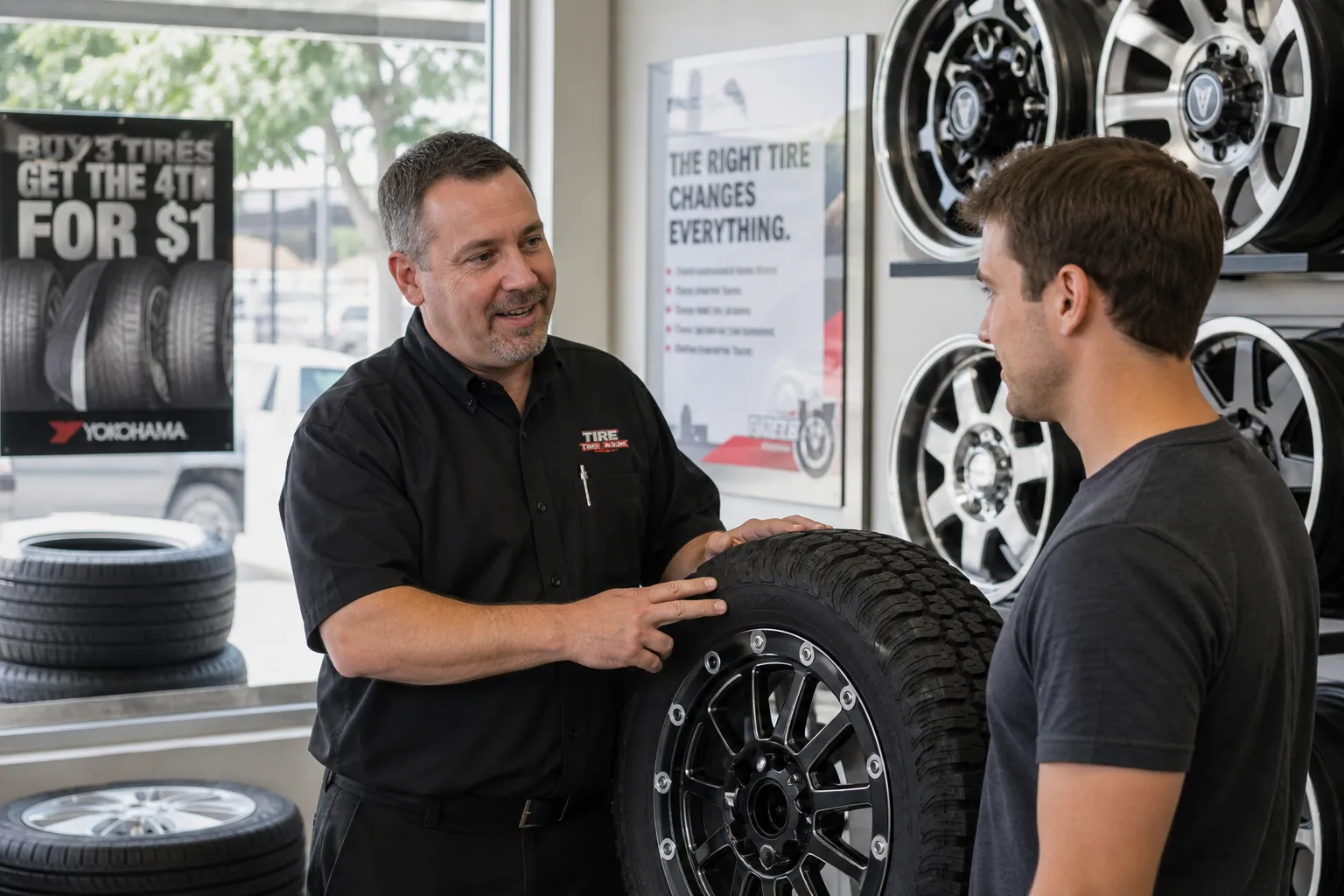
What Sets Concord Tires & Interiors Apart
-
Discounted prices on tires, wheels, and rims
-
Wide selection of major tire brands
-
New and used tire options for different budgets
-
More than 40 years of combined staff experience
-
Tire repair services and practical maintenance guidance
-
Tire protection plans and manufacturer warranty support
-
Convenient local service in Concord, California
-
Interior repair and detailing services in the same place
-
Promotional savings, including interior detailing discounts with qualifying tire purchases
That combination is especially helpful for drivers who want performance, appearance, and value from one stop.
Tire Rebalance Tips to Help You Avoid Repeat Problems
A good rebalance solves the immediate issue, but smart habits help keep things smooth longer.
Check Tire Pressure Regularly
Underinflation and overinflation do not directly cause imbalance, but they can worsen wear and make other tire issues feel more severe.
Rotate Tires on Schedule
Regular rotation helps even out wear and makes it easier to spot developing issues early.
Avoid Hard Impacts When Possible
You cannot dodge every pothole, but slowing down over rough roads and avoiding curb contact helps protect both tires and wheels.
Don’t Ignore Early Vibration
The earlier you address a balance issue, the more likely you are to avoid uneven wear and added strain on suspension parts.
Inspect Tires During Seasonal Changes
Before summer road trips or winter rain season, it is smart to check tread, pressure, and ride quality.
Final Verdict
A tire rebalance is a small service with a big payoff. If your vehicle vibrates at speed, your tires are wearing unevenly, or your ride feels rougher than it should, rebalancing may restore smooth driving, protect your tire investment, and help you avoid more costly repairs.
For drivers in and around Concord, California, Concord Tires & Interiors offers the kind of practical help that makes a difference: experienced staff, discounted pricing, major tire brands, new and used options, warranty support, and a hassle-free customer experience. And if your vehicle needs more than a rebalance, we can help with replacement tires, wheels, rims, tire repair, and even interior services – all in one convenient local shop.
If your car is shaking, wearing tires too fast, or just not driving the way it should, now is the right time to get it checked. Contact Concord Tires & Interiors for a quote and let our team help you find the right fix at the right value.
FAQ
When should I get my tires rebalanced?
You should get your tires rebalanced whenever you notice vibration, uneven tread wear, or reduced ride comfort. It is also smart to rebalance during regular tire rotations, after a flat repair, or after hitting a pothole or curb.
How to tell if tires need rebalancing?
The most common signs are steering wheel shake, seat or floor vibration, and faster or uneven tire wear. If the symptoms get worse as speed increases, tire imbalance is a strong possibility.
What speed do you feel unbalanced tires at?
Most drivers feel unbalanced tires most noticeably at 50 to 70 mph, especially on the highway. Mild imbalance may be hard to notice at low city speeds but becomes much more obvious as wheel speed increases.
How much does it usually cost to get your tires rebalanced?
The cost varies by vehicle, wheel type, and shop pricing, but it is generally considered a relatively affordable maintenance service. It can also save money by helping prevent premature tire wear and unnecessary parts replacement.
How long do balancing tires last?
A tire balance can last for thousands of miles, but it may change sooner if a wheel weight falls off, the tire wears unevenly, or the wheel hits a pothole or curb. Many drivers have balance checked every 5,000 to 7,500 miles as part of regular tire maintenance.